The Science of Hope
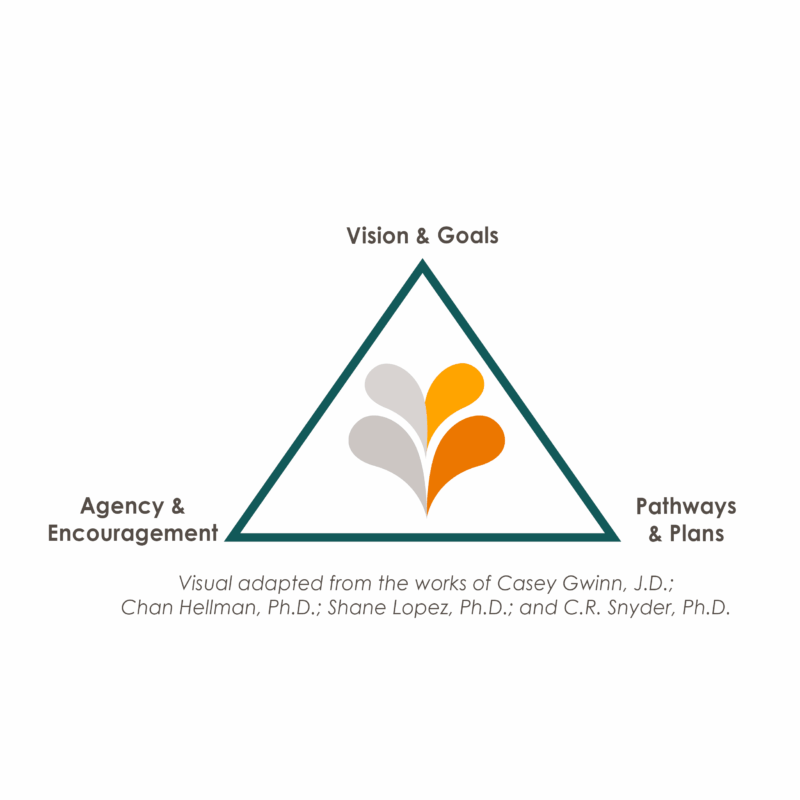
What if the greatest untapped resource for change lies in Hope? When people hear the word hope, they often think of optimism, good intentions or wishful thinking. But science tells us something different. Hope isn’t abstract. It is concrete pathways of thinking, resilience and success. Hope is measurable. Hope can be taught. And most of all, hope is a strategy.
Decades of research by scholars like Casey Gwinn, Chan Hellman, Shane Lopez and C.R. Snyder, reveal that hope isn’t a soft idea – it is a cognitive process that fuels persistence, resilience and achievement. People with higher levels of hope set clearer goals, develop more pathways to reach them and summon the agency to overcome obstacles along the way. In communities, hope predicts outcomes in education, health, workforce development and civic life.
The Foundation for Appalachian Ohio (FAO) has seen this firsthand. Through our work with teachers and school districts, hope practices have helped educators reframe challenges, empower students and navigate uncertainty with confidence. These experiences affirmed what research has long suggested: when people have hope, they flourish – and when organizations cultivate hope, they multiply impact.
The Well-Being Toolkit
Welcome to “The Well-Being Toolkit,” a practical, research-based resource designed to help individuals who serve K-12 students weave more hope into their daily lives and work. This toolkit is grounded in more than 30 years of science showing that where hope rises, so does well-being, achievement and health.
We invite you to learn and to practice alongside us – and encourage you to share your feedback as we continue to build on this resource.
Download a PDF of the toolkit.